
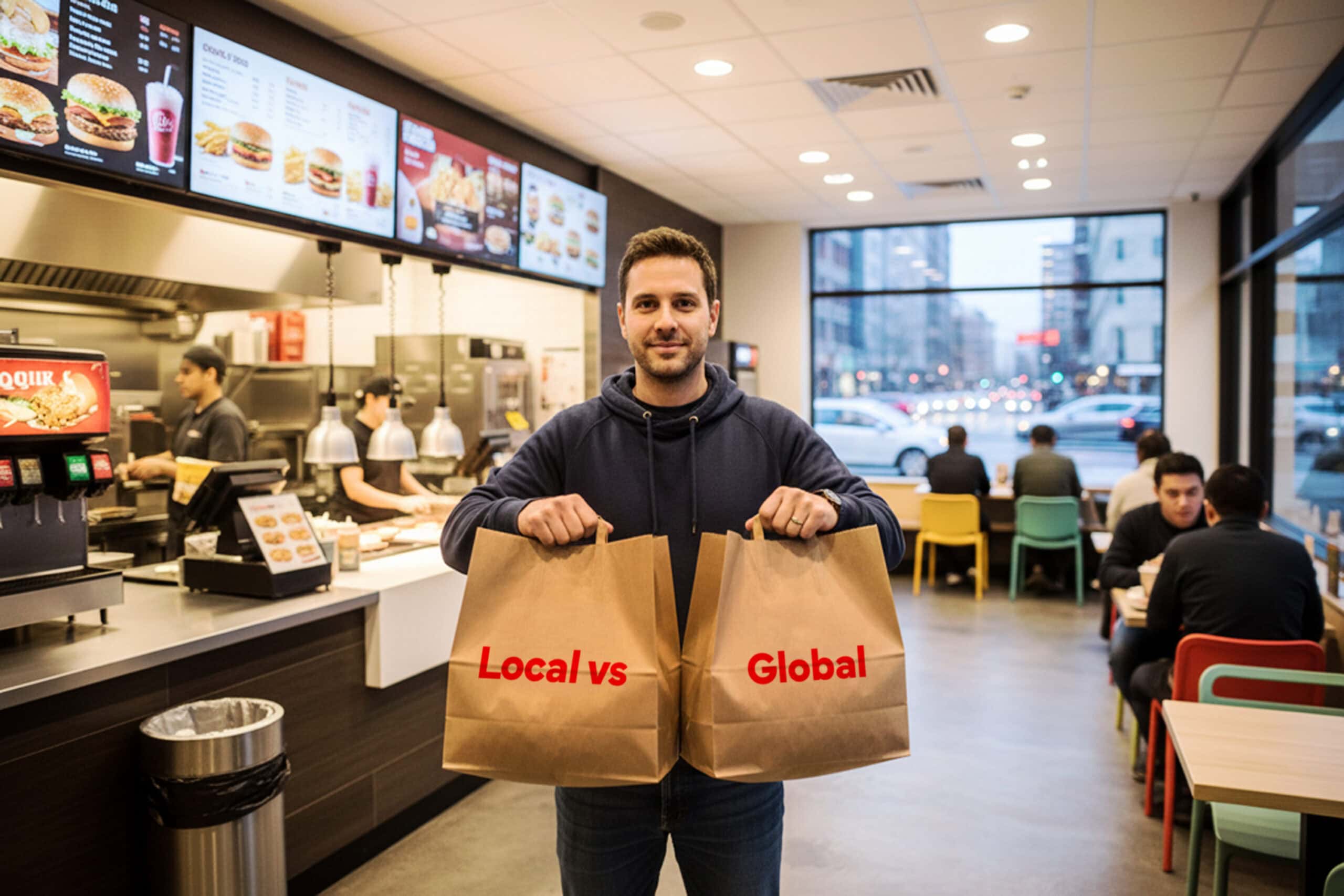
In the dynamic world of quick-service restaurants (QSR), the clash between local and global sourcing is a pivotal issue that shapes the industry’s future.
As consumers prioritize sustainability, quality, and a responsive supply chain, a QSR’s sourcing strategy can greatly affect its brand identity and profits. For several years now, many have grappled with the decision to either source packaging materials domestically or to seek global options. Each route comes with its own benefits and challenges.
Benefits of Domestic Sourcing
One of the primary advantages of sourcing packaging domestically is the potential for a more reliable and efficient supply chain. Recent global events have exposed vulnerabilities in international logistics. Sourcing domestically helps reduce risks related to shipping delays, tariffs, and fluctuating exchange rates. For brands committed to timely service, the ability to source packaging locally can mean the difference between a satisfied customer and a frustrated one.
McKinsey research *shows how consumer concerns about the environmental impact of packaging are growing (up from 14% of US consumers in 2020 to 33% in 2025). This rise in demand for sustainability is prompting many QSR brands to focus on eco-friendly packaging solutions. By collaborating with domestic manufacturers, these establishments can often utilize local materials, which helps to decrease the ‘carbon miles’ linked to transportation of packaging materials, components and finished products.
Another key benefit is transparency and quality control. Working with domestic suppliers can enhance communication, reduce lead times, and make it easier to align on quality standards. For brands striving for consistency in their packaging, domestic sourcing may present fewer hurdles.
Exploring Global Options
On the flip side, many QSRs continue to explore global packaging options which can yield access to competitively priced raw materials, lower product development costs and cost-effective manufacture. International suppliers often benefit from higher economies of scale, which can lead to lower costs for QSR brands here in the United States. This aspect becomes particularly significant for chains looking to minimize expenses while maximizing margins.
Global suppliers can also provide cutting-edge packaging innovations that are not always available domestically. With the foodservice industry constantly evolving, brands that want to stay ahead of the curve often look abroad for inspiration and materials that align with the latest trends, such as biodegradable options or high-tech solutions that enhance food preservation. Packaging manufactured in Middle East and European markets has adhered to strict regulations for 10+ years. This can be a huge benefit for domestic brands as your packaging supplier will be well-equipped to help navigate you through compliance and regulatory obstacles.
There are challenges here however. Brands must consider factors such as longer lead times, potential language barriers, and the impact of tariffs. Import regulations can also complicate the process, requiring a thorough understanding of compliance and international trade laws.
With a partner like WSCS Global, your packaging program will benefit from the benefits mentioned above and the challenges greatly minimized!
Striking the Right Balance
As QSR brands evaluate their sourcing strategies, many are discovering that a hybrid model can provide an optimal balance between local and global procurement. For example, a global supplier may provide packaging to specific regions in the United States where plastic bans and regulations are coming. Brands can get ahead of this, and do it with a low-cost solution! Also, a global partner often has access to innovative materials and can provide packaging that performs well, is sustainable, and costs less, lowering expenses while satisfying their customers.
Implementing a hybrid approach also allows for flexibility. Brands can adjust their sourcing strategies based on market fluctuations, consumer feedback, or supply chain disruptions. This adaptability becomes crucial in a rapidly changing market, where consumer preferences can shift overnight.
The choice between sourcing packaging domestically or from global suppliers involves more than just logistics; it is closely linked to brand identity, sustainability goals, and customer expectations. As quick-service restaurants (QSRs) navigate this complex landscape, they must consider not only the financial implications but also the wider impact on their brand reputation and consumer loyalty.
Consumers are increasingly seeking eco-friendly options and holding brands accountable for their choices, prompting QSRs to adopt a proactive and thoughtful approach to sourcing. This necessitates a careful balance between cost considerations, quality, and ethical practices. Regardless of the direction taken, it is evident that packaging will be a critical factor in defining the QSR experience moving forward.
To find out more about global packaging options, Contact the team at WSCS Global >>
*McKinsey report 2025: ‘Do US consumers care about sustainable packaging in 2025?’